Nineties Party Club: Integrating Retro Energy into Modern Design Workflows
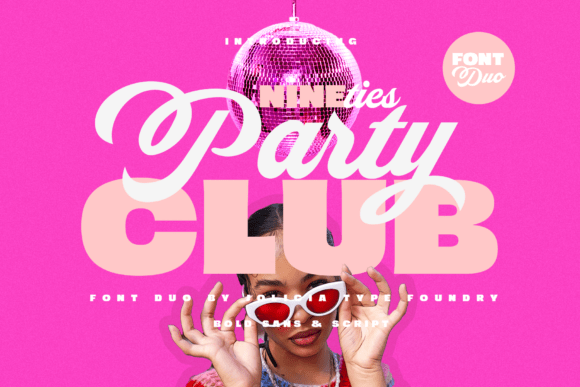
In the landscape of digital design and branding, finding a font that bridges the gap between professional utility and nostalgic charm is often a challenge. Nineties Party Club solves this by offering a bold retro font duo that combines a striking sans serif with a thick, energetic script. This powerful pairing delivers a fun and nostalgic vibe, perfect for designs that demand attention with a throwback twist. For professionals aged 20 to 50 looking to inject personality into their workflows without sacrificing clarity, this typeface offers a versatile solution that fits seamlessly into various creative processes.
Understanding the Core Components of the Duo
The effectiveness of Nineties Party Club lies in its structural duality. The sans serif component brings a solid, confident presence great for headlines, logos, and bold statements. It anchors the design, providing the legibility required for serious communication while maintaining a distinct character. Conversely, the script font adds a dynamic, stylish flow with thick curves and retro flair. This contrast allows designers to manage visual hierarchy effectively, guiding the viewer's eye through a composition that feels both structured and spontaneous.
When integrating this duo into a project, it is crucial to understand the specific role each font plays. The sans serif acts as the foundation, ensuring that critical information remains accessible even at smaller sizes or on lower-resolution screens. The script serves as the accent, capturing attention and evoking an emotional response associated with the vibrant energy of the 1990s. By mastering this balance, creators can avoid the common pitfall of over-stylizing text, which often leads to readability issues.
Strategic Placement in the Creative Process
Integrating Nineties Party Club requires more than just selecting the font from a library; it involves planning where and how it appears throughout the project lifecycle. In the early stages of conceptualization, use the sans serif to draft core messaging and layout structures. Its robust nature makes it ideal for wireframing and establishing the tone of the brand identity. Once the structure is set, introduce the script during the refinement phase to add layers of personality and thematic depth.
This phased approach ensures that the final output is cohesive. If you attempt to apply the script too early, it may distract from the fundamental message or complicate the layout process. By reserving the dynamic script for key focal points, such as event titles, product names, or call-to-action buttons, you maintain a clear path for the user while still delivering the desired aesthetic impact.
Application Across Diverse Project Types
The versatility of Nineties Party Club extends across multiple mediums, making it a valuable asset for marketers, educators, and small business owners alike. Whether you are designing party posters, branding materials, product packaging, social media graphics, or any creative project that craves a bold and playful 90s aesthetic, this font duo adapts to the requirements of the medium.
- Event Marketing: For concert flyers or community gatherings, the script font captures the excitement of the occasion, while the sans serif ensures dates, times, and locations are instantly readable.
- Brand Identity: Startups and established businesses can use the sans serif for their logo lockup to convey stability, then employ the script in marketing collateral to humanize the brand and connect with younger demographics.
- E-commerce Packaging: Product labels benefit from the high contrast of the duo. The bold sans serif highlights the product name, creating shelf appeal, while the script adds a touch of artisanal or retro quality that distinguishes the item from mass-market competitors.
- Social Media Campaigns: In a fast-scrolling environment, the thick curves of the script font stop the scroll. Pairing it with clean sans serif captions creates a balanced feed that is engaging yet informative.
Workflow Integration and Compatibility
For users managing complex workflows, compatibility with existing tools is paramount. Nineties Party Club is designed to work smoothly within standard design software suites, including Adobe Creative Cloud, Affinity Designer, and web-based platforms like Canva or Figma. When importing the font files, ensure they are properly installed on your system before initiating the project to prevent substitution errors that can disrupt your timeline.
Efficiency is further enhanced by organizing your font libraries. Create a dedicated folder labeled "Retro" or "Nostalgic" within your asset management system. This organizational step reduces search time and ensures that team members can quickly locate and utilize the correct weights of the font family. Consistency is key when working in teams; establish a style guide that defines exactly which version of the sans serif pairs with which weight of the script to maintain brand integrity across all deliverables.
Optimizing for Readability and Accessibility
While the aesthetic appeal of Nineties Party Club is undeniable, practical implementation demands a focus on accessibility. The thick strokes of the script font can sometimes reduce legibility if used for body copy or long paragraphs. To mitigate this, reserve the script for short phrases, headers, and decorative elements only. Use the sans serif for all instructional text, legal disclaimers, and detailed descriptions.
Consider the context in which your design will be viewed. On mobile devices, the intricate details of the script may become pixelated or difficult to distinguish. Test your designs across various screen sizes and resolutions before finalizing the project. If the script becomes illegible on smaller screens, consider simplifying the design or switching to a more condensed variant of the font if available.
Furthermore, color contrast plays a significant role in usability. Ensure that the text stands out clearly against the background. A bold, dark script on a light background or a bright white sans serif on a deep, saturated color works best to maintain the energetic vibe without compromising accessibility standards.
Maintaining Quality Control in Long-Term Projects
Long-term projects require a strategy for maintaining quality control. As you scale your usage of Nineties Party Club, keep track of file versions and updates. Font licensing is another critical factor; verify that your license covers all intended uses, including commercial distribution, web embedding, and print runs. Neglecting these details can lead to legal complications and project delays.
To ensure consistency over time, document your usage rules. Create a simple checklist that includes minimum font sizes, safe zones around the text, and recommended background colors. This documentation serves as a reference for future iterations of the project and helps onboard new team members quickly. By treating the font as a strategic asset rather than just a stylistic choice, you elevate the overall professionalism of your work.
Balancing Nostalgia with Modern Functionality
The ultimate goal of using Nineties Party Club is to evoke a specific feeling without alienating the audience. The 90s aesthetic is currently popular, but it must be applied with nuance. Overusing retro elements can make a design feel dated or unprofessional. The key is to let the fonts do the heavy lifting for the mood while keeping the layout modern and clean.
Combine the bold typography with contemporary imagery, minimalist layouts, and current color trends to create a fusion that feels fresh. For example, pair the thick script with flat illustrations or high-quality photography that has been edited with a modern grain filter. This juxtaposition creates a sophisticated look that respects the past while embracing the present.
By thoughtfully integrating Nineties Party Club into your design workflow, you unlock a unique opportunity to communicate with authenticity and energy. Whether you are launching a new product, promoting a local event, or rebranding a business, this font duo provides the tools necessary to stand out in a crowded marketplace. With careful planning and adherence to usability principles, you can harness the power of the 90s to drive real results in your creative endeavors.
The journey from concept to completion is smoother when your tools align with your vision. Nineties Party Club offers more than just letters; it offers a narrative of fun, confidence, and nostalgia. By understanding its strengths and limitations, and by applying it within a structured workflow, you ensure that every project not only looks great but also performs effectively in achieving its intended goals.