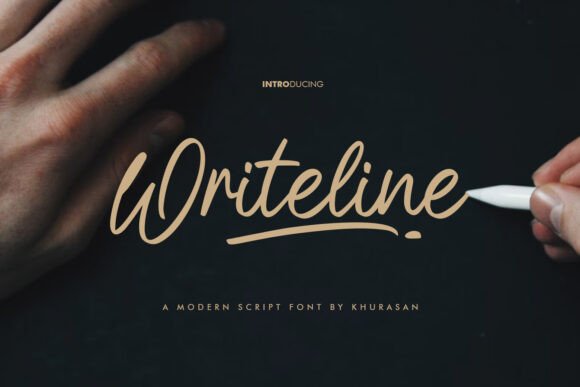
Writeline: Elevate Your Designs with Elegant Script
In a digital landscape saturated with rigid sans-serifs and blocky serifs, finding a typeface that feels both authentic and polished can be challenging. Writeline emerges as a solution for professionals seeking to inject personality into their visual communication without sacrificing readability. It is not merely a decorative element; it is a strategic tool designed to bridge the gap between formal structure and human connection.
This script handwriting font is crafted with a clean, stylish, and modern aesthetic that sets it apart from traditional, often cluttered, cursive alternatives. Whether you are designing a high-end book cover or a simple social media banner, the unique character of Writeline allows your content to stand out in a crowded marketplace. Its versatility ensures that it fits seamlessly into a wide array of creative projects, making it an essential addition to any designer's toolkit.
The Strategic Value of Handwritten Aesthetics
Why does a specific font like Writeline matter to your brand or project? The answer lies in psychology. Humans are wired to respond to handwriting because it signals authenticity, effort, and personal touch. In marketing and branding, this translates to trust. When a consumer sees a logo or a headline written in a style that mimics natural pen strokes, they perceive the message as more genuine compared to standard computer-generated text.
Writeline capitalizes on this psychological trigger while maintaining the legibility required for professional use. Unlike many script fonts that become unreadable at smaller sizes or when used in long paragraphs, Writeline is engineered for clarity. This balance allows creators to use it effectively in headlines, logos, and posters where impact is paramount, ensuring the design remains elegant rather than chaotic.
Enhancing Brand Identity Through Typography
For entrepreneurs and small business owners, establishing a distinct identity is crucial. Your typography is often the first non-verbal cue a customer receives about your brand's personality. If you run a boutique, a coffee shop, or a creative agency, a generic font might make your materials blend in with competitors. Writeline offers a sophisticated alternative that suggests attention to detail and a commitment to quality.
Consider a scenario where a freelance photographer needs to update their portfolio website. By using Writeline for their name and service titles, they immediately establish a tone that is artistic yet accessible. The font's clean lines prevent the design from feeling overly ornate, which is a common pitfall with script fonts. Instead, it creates a modern elegance that appeals to a broad audience, including the 20–50 demographic who value both style and substance.
Practical Applications Across Industries
The adaptability of Writeline makes it suitable for a diverse range of industries. Its ability to match an incredibly large set of projects means you do not need to search for different typefaces for every new task. Below are specific ways this font can improve outcomes in various professional contexts.
- Editorial and Publishing: For magazine editors and book publishers, Writeline serves as an excellent choice for chapter headings, pull quotes, or author signatures. It adds a layer of narrative flair to printed materials without disrupting the flow of the main body text. A book cover featuring this font can instantly convey a sense of intimacy or storytelling, drawing readers in before they even open the page.
- Event Marketing and Banners: Event planners and marketers often struggle to create banners that look professional but feel inviting. Standard fonts can appear too corporate for weddings, galas, or art exhibitions. Using Writeline for event titles transforms a simple sign into a piece of art. The font's flowing nature guides the eye naturally across the design, making information easier to digest in a busy environment.
- Logo Design: Logos require a delicate balance of memorability and scalability. A script logo can sometimes lose its shape when resized for a mobile app icon or a large billboard. However, Writeline's consistent stroke weight and clear letterforms ensure that the logo retains its integrity across all mediums. This reliability saves designers time during the revision process and ensures brand consistency.
Solving Common Design Challenges
One of the most significant problems designers face is creating hierarchy without relying solely on size or color. Writeline solves this by introducing texture and variation through its script style. When paired with a neutral sans-serif body font, the contrast creates a visual rhythm that keeps the reader engaged.
For educators and bloggers, this dynamic is particularly useful. A blog post titled "The Art of Minimalism" looks significantly different when the title is rendered in Writeline compared to a standard Arial font. The script implies a curated, thoughtful approach to the subject matter, encouraging the reader to slow down and absorb the content. This subtle shift in presentation can increase time-on-page and improve overall user engagement metrics.
Integrating Writeline into Your Workflow
Implementing Writeline into your workflow should be a deliberate decision based on the goals of your project. While the font is powerful, it is not a one-size-fits-all solution. To get the best results, consider the context in which you are working.
- Pairing Strategies: The strength of Writeline lies in its contrast with other typefaces. Avoid pairing it with another script font, as this creates visual noise. Instead, combine it with clean, geometric sans-serifs or classic serifs. This juxtaposition highlights the elegance of the script while grounding the design in stability.
- Usage Limits: Remember that script fonts are generally best reserved for short phrases. Using Writeline for long blocks of text can strain the reader's eyes and reduce comprehension. Use it strategically for emphasis, such as key headlines, call-to-action buttons, or signature elements.
- Technical Considerations: Before finalizing a design, test Writeline in black and white. Sometimes colors can mask poor kerning or spacing issues. Ensure that the letters connect smoothly and that there are no awkward gaps that break the flow of the word. This step ensures that your final output looks polished on both screen and print.
Who Benefits Most from This Tool?
While anyone with access to design software can use Writeline, certain groups will find it particularly transformative. Freelancers who wear multiple hats often lack the resources for custom illustration or extensive graphic design. A high-quality font like Writeline provides a shortcut to a professional look, allowing them to compete with larger agencies.
Similarly, hobbyists and content creators looking to elevate their personal brands benefit greatly. Whether it is a handmade jewelry shop owner labeling their packaging or a travel blogger designing their newsletter header, Writeline adds a level of polish that signals professionalism. It helps these individuals communicate that they care about the details of their craft, which is a key driver of customer loyalty.
However, it is important to acknowledge limitations. If your project requires a highly technical or industrial feel, Writeline may clash with the desired tone. In such cases, it is wise to compare options and perhaps reserve the script for accent elements only. The goal is always to enhance communication, not distract from it.
Making Creative Ideas Stand Out
Ultimately, the value of Writeline is found in its ability to turn ordinary designs into memorable experiences. It invites creativity and encourages users to think beyond the standard grid layouts. By adding this font to your creative ideas, you introduce a human element that resonates deeply with audiences.
As you explore your next project, consider how Writeline might transform your message. From posters that grab attention on a city street to book covers that promise a compelling story, this font offers a versatile foundation for excellence. It is a tool that respects the intelligence of the reader while appealing to their emotions, making it a worthy investment in your design arsenal.
By understanding the nuances of Writeline and applying it with intention, you can achieve results that are not just visually pleasing but also strategically effective. Let your designs speak with a voice that is clear, stylish, and unmistakably yours.