Pamela Bakery: A Comprehensive Evaluation for Designers and Brand Creators
In the vast landscape of digital typography, selecting the right typeface often determines whether a project feels professional or personal. Pamela Bakery has emerged as a distinctive option within the script category, specifically designed to bridge the gap between casual handwriting and refined elegance. For designers, brand managers, and creative enthusiasts aged 20 to 50 who are evaluating font options, understanding the specific nuances of this typeface is essential before committing it to a final design.
This analysis explores what makes Pamela Bakery distinct, how it compares to broader categories of handwritten fonts, and the practical scenarios where it excels versus situations where alternative styles might be more appropriate. The goal is to provide a clear, evidence-based perspective on its utility in modern design workflows.
Understanding the Core Characteristics of Pamela Bakery
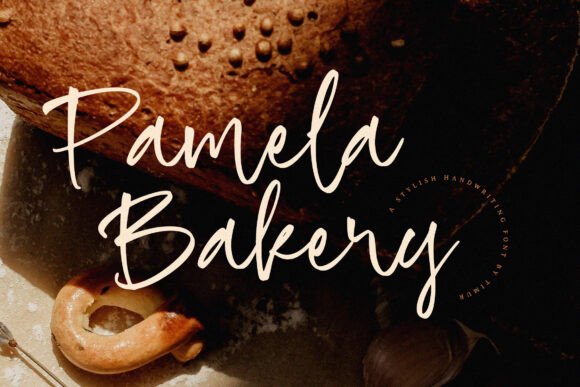
Pamela Bakery is not merely a standard cursive font; it is a stylistic interpretation of natural handwriting that prioritizes flow and organic movement. Its defining feature lies in its smooth curves and playful character, which mimic the imperfections and rhythm of a pen moving across paper. Unlike rigid, geometric sans-serif fonts or overly ornate calligraphy scripts, Pamela Bakery maintains a sense of approachability while retaining a level of sophistication.
The font's structure allows for a "natural flow" that prevents text from appearing stiff or manufactured. This quality is particularly valuable in branding contexts where the objective is to evoke warmth and human connection. The variable weights and connected letterforms create a visual narrative that guides the reader's eye smoothly across headlines, logos, or body copy. When used correctly, the font exudes creativity without sacrificing readability.
- Natural Flow: The ligatures and connections between letters feel spontaneous rather than algorithmically generated.
- Playful Elegance: It balances whimsy with structure, making it suitable for both lighthearted and formal projects.
- Visual Warmth: The rounded terminals and varying stroke widths add a tactile quality to digital screens.
Evaluating Fit: Where Pamela Bakery Excels
Determining the best use case for any typeface requires looking at the emotional resonance it brings to a project. Pamela Bakery is uniquely positioned for industries and applications that rely heavily on personal storytelling and artisanal aesthetics. Its primary strength lies in environments where the brand voice needs to sound like a friend speaking directly to the customer.
Bakery and Food Branding
As the name suggests, this font is exceptionally well-suited for bakeries, cafes, and food trucks. The soft, inviting curves mirror the texture of fresh bread or the smoothness of icing. In these contexts, Pamela Bakery helps communicate freshness and homemade quality. A logo featuring this script can instantly signal that products are crafted with care, distinguishing a small business from mass-produced competitors.
Wedding and Event Invitations
For event planning and stationery, the stakes are high regarding tone. Pamela Bakery offers the perfect balance required for wedding invitations. It avoids the stiffness of traditional formal scripts while maintaining enough legibility and grace to suit a formal occasion. The playful character adds a touch of romance and joy, which is central to the wedding experience. Whether used for the main invitation text or decorative accents, it sets an atmosphere of celebration.
Social Media Graphics and Personal Brands
In the realm of social media, content must grab attention quickly. Pamela Bakery stands out in crowded feeds because of its unique personality. Influencers, lifestyle bloggers, and small business owners often use this font to create quote graphics, promotional banners, and story highlights. The font's ability to convey a personal touch helps build trust with an audience that values authenticity over corporate polish.
Comparative Analysis: Script Fonts and Alternatives
When researchers evaluate Pamela Bakery, they often compare it against other broad categories of script and display fonts. Understanding these distinctions helps clarify why one might choose Pamela Bakery over a generic cursive font or a highly decorative calligraphy style.
Comparison with Formal Calligraphy Scripts
Formal calligraphy fonts often feature extreme contrast between thick and thin strokes, sharp angles, and complex flourishes. While visually stunning, these fonts can be difficult to read in smaller sizes or when applied to complex backgrounds. Pamela Bakery differs by simplifying these elements. It retains the elegance of calligraphy but reduces the complexity, ensuring better legibility across various mediums, from mobile screens to printed merchandise.
Comparison with Casual Handwriting Styles
Conversely, some fonts attempt to replicate messy, quick handwriting. These can appear too chaotic for professional branding. Pamela Bakery sits in a "sweet spot" between casual scribbles and structured cursive. It looks hand-drawn but is engineered for consistency. This makes it safer for commercial use where brand guidelines require a certain level of uniformity.
Comparison with Digital Display Fonts
Modern sans-serif fonts offer clarity and neutrality. However, they lack the emotional depth required for niche branding. If a project requires a "human" element, a neutral sans-serif may fail to connect emotionally. Pamela Bakery fills this gap, providing the necessary emotional hook that sterile fonts cannot offer.
Tradeoffs and Limitations to Consider
No single typeface is a universal solution. While Pamela Bakery is versatile, it comes with inherent tradeoffs that designers must acknowledge during the decision-making process. Being aware of these limitations ensures that the font is used effectively rather than forcing it into inappropriate contexts.
- Legibility in Small Sizes: Like many script fonts, the intricate details of Pamela Bakery may become indistinct when scaled down significantly. It is generally not recommended for small body text in dense paragraphs or fine print legal disclaimers.
- Contextual Appropriateness: The playful nature of the font may clash with serious or somber topics. Using Pamela Bakery for a financial report, a medical notice, or a government announcement would likely undermine the authority and seriousness of the message.
- Compatibility with Modern Minimalism: In designs that strictly adhere to brutalist or hyper-minimalist aesthetics, the organic curves of Pamela Bakery might feel too busy or distracting. It pairs best with clean, simple layouts that allow the typography to shine.
Decision Factors: Choosing the Right Tool
Selecting Pamela Bakery should be a strategic decision based on the specific goals of the project. Designers should ask themselves a series of questions to determine if this font aligns with their vision.
Is the goal to evoke emotion? If the project aims to create a feeling of nostalgia, warmth, or personal connection, Pamela Bakery is a strong candidate. Its natural flow supports narratives that feel intimate and genuine.
Who is the target audience? For audiences seeking authenticity, such as millennials and Gen Z consumers who value handmade goods and personal stories, this font resonates well. However, for audiences expecting precision, speed, or corporate efficiency, a more neutral typeface would be preferable.
What is the medium of distribution? For high-resolution print materials like wedding cards, packaging, and large-format signage, Pamela Bakery performs beautifully. For low-resolution web headers or mobile app icons, testing the scalability is crucial to ensure the details remain crisp.
Practical Implementation Strategies
To maximize the impact of Pamela Bakery, it should be paired thoughtfully with complementary fonts. A common and effective strategy is to combine it with a clean, geometric sans-serif. The sans-serif provides structure and readability for secondary information, while Pamela Bakery serves as the headline or focal point. This combination creates a balanced hierarchy that is easy to scan yet visually engaging.
Color selection also plays a role. Because the font has a warm, organic feel, it pairs naturally with earth tones, pastels, and soft neutrals. High-contrast combinations, such as black text on white, work well for maximum legibility, but softer color palettes can enhance the "bakery" aesthetic further.
Conclusion: A Strategic Choice for Personalized Design
Pamela Bakery represents a thoughtful addition to the typographic toolkit. It is neither a fleeting trend nor a generic placeholder; it is a specialized tool designed to inject personality into design projects. By understanding its strengths in bakery branding, weddings, and social media, while remaining mindful of its limitations regarding legibility and context, creators can make informed decisions.
Ultimately, the choice to use Pamela Bakery depends on the desired emotional outcome. If the project requires a blend of elegance and playfulness, and the goal is to establish a human connection, this font offers a compelling solution. However, for projects demanding strict neutrality or high-density information delivery, alternative options may serve the purpose better. As with all design choices, the most successful outcomes arise from matching the right tool to the specific needs of the audience and the message.